
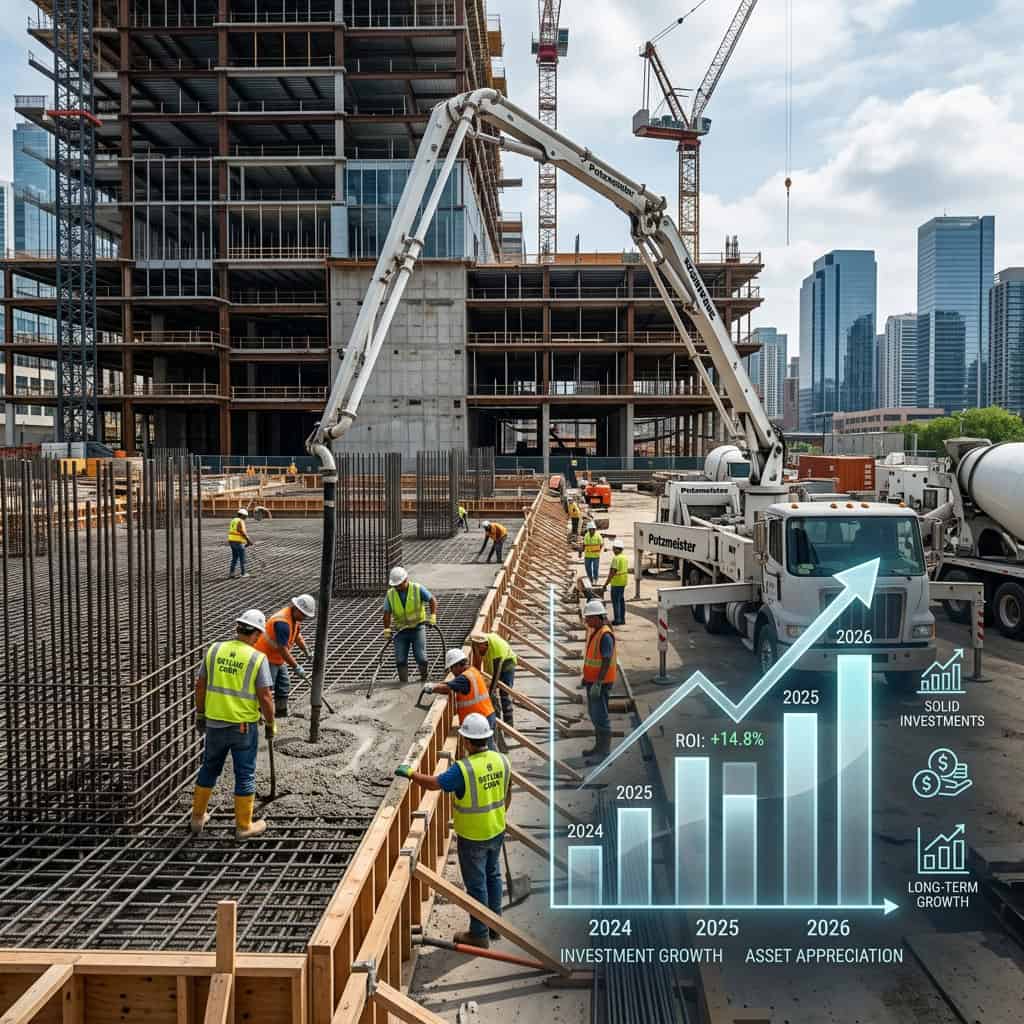
The Hidden Costs of Concrete and Foundation Projects
Pouring a new concrete driveway, expanding a commercial foundation, or repairing structural slab issues is rarely a small expense. Concrete is a heavy, labor-intensive material that requires specialized machinery and highly skilled tradespeople. Because of the immediate capital required to purchase ready-mix concrete and steel rebar, many homeowners and commercial developers find themselves asking: how can I find concrete companies that offer financing near me? This comprehensive guide explores why concrete financing is becoming essential, how contractor-backed loans work, and what you need to look out for before signing a contract.
Unlike minor cosmetic renovations, concrete work is foundational. Delaying a necessary foundation repair or stalling a commercial build because of a lack of liquid cash can lead to catastrophic structural failure or massive lost revenue. Consequently, the construction industry has evolved, partnering with specialized fintech lenders to offer flexible payment options directly to the consumer.
How Contractor-Backed Concrete Financing Works
When you search for concrete companies that offer financing near me, you will primarily encounter businesses that have partnered with third-party lending institutions (such as GreenSky, Synchrony, or specialized home improvement banks). The concrete contractor is not the entity lending you the money; rather, they are facilitating the loan application process through a dealer portal.
The process is remarkably streamlined. After the contractor provides you with a detailed estimate for the pour, they will send you a link to apply for financing. The application is typically processed within minutes, relying on a soft credit pull that does not impact your credit score. Once approved, the lender pays the concrete company directly (often in staged draws: a deposit to start, and the balance upon completion). You are then responsible for making monthly payments to the lender, not the contractor.
Types of Financing Options Available
Not all financing plans are created equal. When reviewing bids, you must analyze the financial terms as rigorously as the structural engineering plan. The two most common types of financing offered by concrete companies are:
- Deferred Interest (Same as Cash) Loans: These are highly popular for residential projects. A common offer is “12 Months No Interest.” If you pay off the entire balance of the concrete project within those 12 months, you pay absolutely zero interest. However, if you miss the deadline by even one day, retroactive interest (often at a high APR) is applied from the date of the original pour.
- Fixed-Rate Installment Loans: For massive commercial pours or extensive residential retaining walls, a fixed-rate loan spread over 5 to 10 years is more appropriate. This provides a predictable, lower monthly payment, making a $50,000 commercial slab project cash-flow positive from day one.
The Strategic Advantage for Commercial Developers
For midsize developers, leveraging contractor financing is a brilliant strategy for optimizing capital. Why tie up $100,000 of your own liquidity in a concrete foundation when you can finance it at a low fixed rate? This allows you to deploy your cash into marketing, interior finishing, or acquiring the next parcel of land. This strategy mirrors broader corporate finance tactics, such as understanding the difference between equipment financing vs working capital loan midsize company to maintain optimal liquidity.
Furthermore, if you are building out an entire exterior envelope, you might also be researching whether do siding companies offer financing, allowing you to essentially finance the entire core and shell of the building through trade-specific lending partnerships.
What to Look for When Vetting Financed Concrete Proposals
While the allure of “zero down, zero interest” is strong, you must remain vigilant. Some contractors inflate their base cash price to cover the “dealer fees” charged by the lending institutions. Always ask the concrete company to provide both a cash bid and a financed bid. If the financed bid is 10% higher, you are paying for the financing upfront.
Additionally, ensure the contractor is fully licensed, bonded, and insured. Financing a project does not guarantee the quality of the concrete mix or the skill of the finishers. A poorly poured slab that cracks within a year is a liability, regardless of how attractive the monthly payments are.
Frequently Asked Questions (FAQ)
Does utilizing contractor financing require a lien on my property?
Generally, unsecured home improvement loans do not require a lien. However, for massive commercial projects or if you utilize in-house financing directly from the contractor, a mechanic’s lien may be placed on the property until the debt is satisfied.
What credit score is needed to qualify?
Most third-party construction lenders look for a minimum FICO score of 620 to 640 for basic approvals. However, to qualify for the most attractive 0% promotional rates, a prime credit score (720+) is usually required.
Can I finance just the materials?
Usually, the financing covers the entire scope of the contractor’s bid—both labor and materials (ready-mix concrete, rebar, forms). It is rare to finance only the materials unless you are acting as your own general contractor and opening a trade account with a concrete supplier.
Conclusion: Building on Solid Financial Ground
Finding concrete companies that offer financing near me is the modern solution to tackling expensive, foundational construction projects without draining your savings or operating capital. By understanding the mechanics of third-party lending, evaluating the true cost of promotional offers, and integrating this strategy into your broader financial planning, you can ensure your project is built on solid ground—both structurally and financially.