
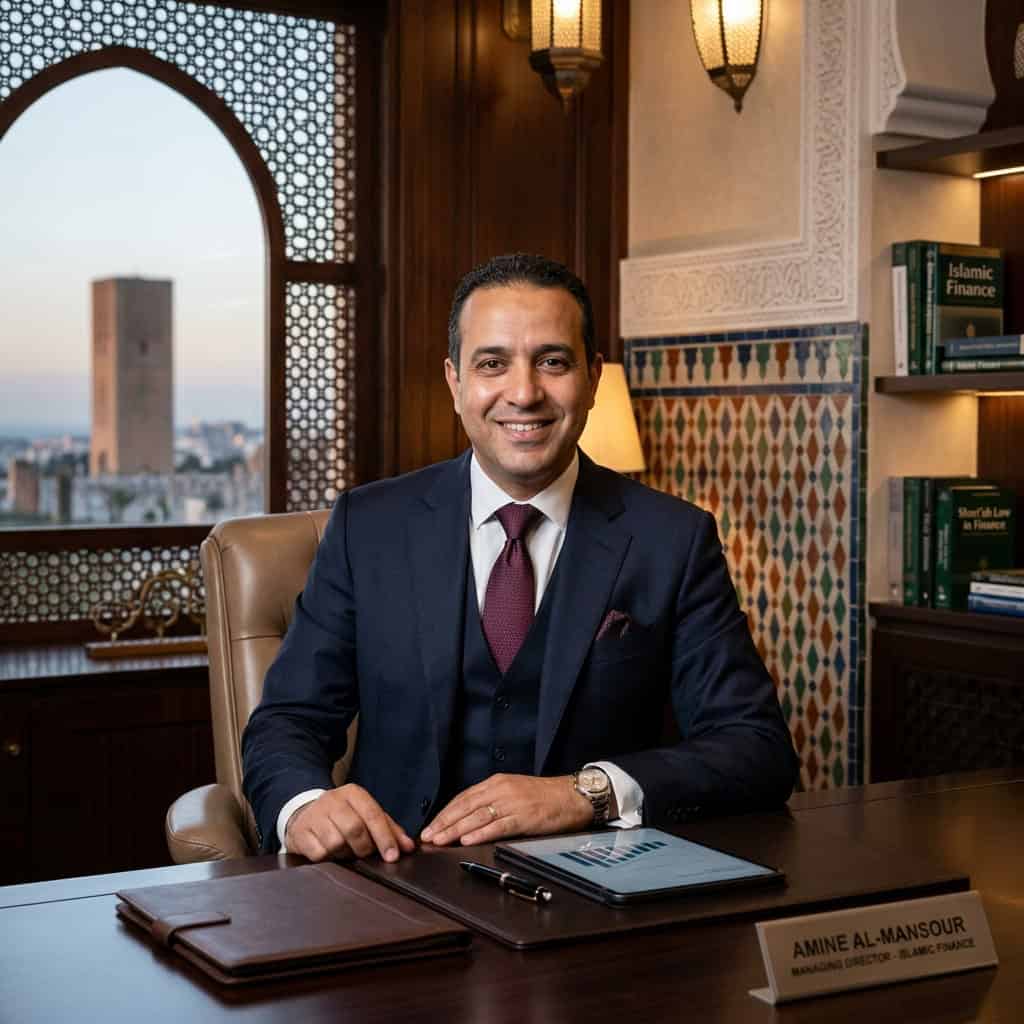
The Rise of Takaful in North Africa
The global financial landscape is undergoing a profound transformation as ethical, Sharia-compliant financial products move from niche offerings to mainstream economic drivers. At the forefront of this movement in North Africa is the chairman tunisian insurance company islamic finance initiative. This pioneering effort is fundamentally reshaping the regional insurance market by introducing Takaful—an Islamic alternative to conventional commercial insurance that emphasizes mutual cooperation, shared responsibility, and strict adherence to ethical investment principles.
This detailed report examines the core principles differentiating Takaful from standard insurance, explores the strategic impact of this Tunisian initiative on the broader Maghreb economy, and highlights the leadership required to navigate complex regulatory environments in emerging markets.
Understanding Takaful: The Cooperative Model
To appreciate the impact of the chairman tunisian insurance company islamic finance movement, one must understand how Takaful operates. Conventional insurance is built on risk transfer and commercial profit. Policyholders pay premiums to a company, which absorbs the risk and keeps any underwriting surplus as profit. This model involves elements of *Gharar* (uncertainty) and *Riba* (interest), which are strictly prohibited in Islamic finance.
Takaful, conversely, is based on the concept of *Tabarru* (voluntary contribution or donation). Participants pool their funds to guarantee each other against loss or damage. The Takaful operator (the insurance company) merely manages the fund on behalf of the participants, charging a transparent fee (Wakalah) or taking a share of the investment profit (Mudarabah). Crucially, if there is a surplus in the risk fund at the end of the year after all claims and reserves are settled, that surplus is distributed back to the participants, not retained by the company. Furthermore, all pooled funds are strictly invested in Sharia-compliant assets, avoiding industries such as gambling, alcohol, or interest-bearing financial instruments.
Strategic Implementation in Tunisia
Introducing Takaful into a market historically dominated by French-style conventional insurance required immense strategic foresight. The initiative led by the Tunisian chairman involved years of lobbying for appropriate regulatory frameworks. Unlike conventional insurance, Takaful requires specialized legal structures to ensure the separation of shareholder funds from participant funds, and mandates the establishment of an independent Sharia Supervisory Board to audit all products and investments.
The successful launch of these products has provided a massive boost to financial inclusion. Many individuals and businesses in Tunisia and the broader Maghreb region previously opted out of the insurance market entirely due to religious convictions against conventional models. By providing a viable, ethical alternative, this initiative has unlocked a vast, previously untapped demographic, funneling new capital into the regional economy.
Economic Impact and Market Expansion
The ripple effects of this initiative extend far beyond the insurance sector. Because Takaful funds must be invested in real, tangible assets rather than speculative financial derivatives, this pool of capital is directly driving regional economic development. It is funding infrastructure projects, ethical real estate developments, and providing capital to SMEs through Islamic banking channels.
This integration of insurance and broader financial services creates a resilient ecosystem. It mirrors the complex, interconnected nature of modern digital finance, where seamless operations are critical (similar to the efficiencies seen in big wednesday crm integration finance companies). The leadership driving this expansion is vital. To understand the individual vision behind this movement, read our detailed profile on the chairman tunisian insurance company islamic finance leader.
Frequently Asked Questions (FAQ)
Is Takaful only available to Muslims?
No. While rooted in Islamic principles, Takaful is available to anyone regardless of faith. In fact, globally, a significant percentage of Takaful policyholders are non-Muslims who are attracted to the model’s ethical investment policies, transparency, and the potential for surplus distribution (cash back) at the end of the year.
Is Takaful more expensive than conventional insurance?
Generally, Takaful pricing is highly competitive with conventional insurance. Because the model operates on mutual cooperation rather than maximizing corporate underwriting profit, the long-term cost to the participant is often lower, especially when factoring in annual surplus distributions.
How is the Sharia compliance verified?
Every licensed Takaful operator must appoint an independent Sharia Supervisory Board comprised of recognized Islamic scholars. This board reviews all contracts, marketing materials, and investment portfolios to certify ongoing compliance.
Conclusion: A Blueprint for Ethical Finance
The chairman tunisian insurance company islamic finance initiative is more than a regional business success story; it is a blueprint for the future of ethical finance in emerging markets. By successfully blending ancient principles of mutual cooperation with modern actuarial science and digital distribution, this movement is proving that high-growth financial institutions can operate profitably while strictly adhering to ethical, community-focused mandates. As the global demand for socially responsible investing grows, the Tunisian Takaful model stands as a premier example of execution and vision.